
The Competing Meanings of Pity
Thus Spoke ZarathustraThis flow traces the book’s recurring conflict between compassion as relief and pity as a force that humiliates, binds, or weakens.
increasing Bearing strength in each event
 decreasing
Bearing strength in each eventdecreasingPity as a Public Virtue
Pity as a Public Virtue
A familiar moral language
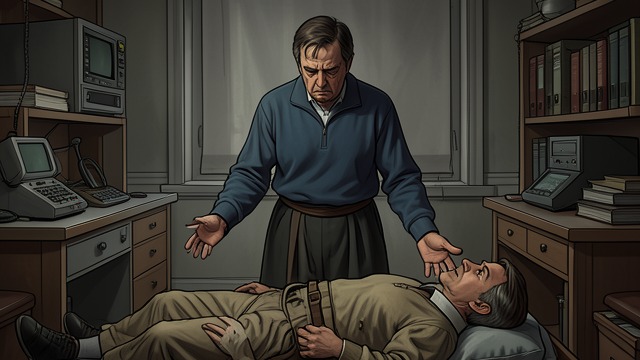
Zarathustra challenges the assumption that helping another person is always uncomplicated goodness. He suspects that pity can preserve dependence and make the giver feel superior.
A sharper standard
The challenge is not indifference but a demand to understand what help does to both people. The question of dignity enters the book’s wider critique of conventional virtue.
The Wounded Tightrope Walker
The Wounded Tightrope Walker
Compassion without illusion
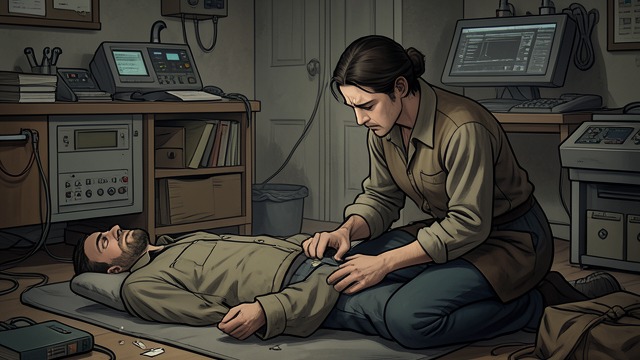
Zarathustra stays beside the dying walker and rejects the man’s fear of supernatural punishment. He does not promise another world or disguise the reality of death.
A personal act of care
He offers to bury the man with his own hands, recognizing the danger the walker chose as his vocation. The scene complicates any reading of Zarathustra as simply hostile to compassion.
The Teaching Against Pity
The Teaching Against Pity
The shame of the sufferer
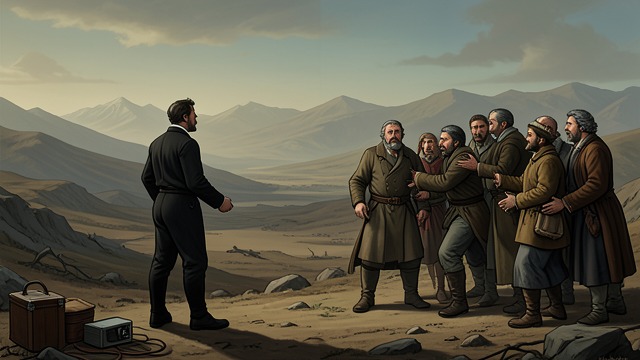
Zarathustra argues that being helped can injure a sufferer’s pride and create resentment. The compassionate may ease their own discomfort while making the other person feel exposed.
Love beyond consolation
He favors a more demanding love that wants to create what it loves, rather than simply soothe pain. The distinction connects pity to the book’s concern with creative strength.
The Ugliest Man’s Refuge
The Ugliest Man’s Refuge
Flight from unwanted sympathy
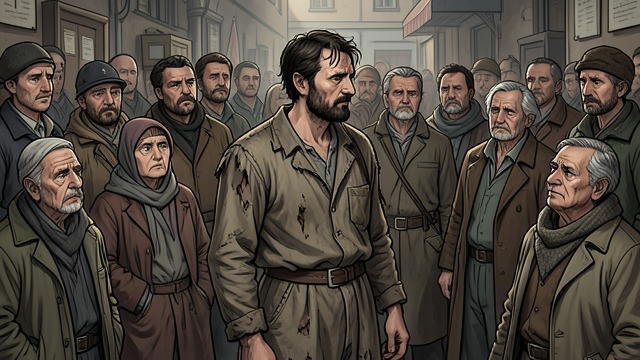
The Ugliest Man says he has fled those who pity him. Their compassion becomes another form of exposure after he has already suffered from being seen by God.
Recognition without rescue
Zarathustra identifies his story and offers shelter rather than a consoling judgment. Their exchange tests whether a person can meet suffering without turning it into a moral spectacle.
The Ultimate Temptation

The Ultimate Temptation
A call to help
The Prophet of the Great Weariness tells Zarathustra that the Higher Men are distressed and need him. Pity becomes a temptation to abandon his own demanding work.
Work over rescue
When the lion arrives, Zarathustra recognizes that pity for the Higher Men has had its time. His response closes the book’s recurring tension without turning it into a simple rule against care.
Early in Part One, in the discourse on pity
At the marketplace, after the fatal fall
Part Two, during Of the Compassionate
Part Four, during the encounter in Serpent’s Death
At the end of Part Four, after the Higher Men gather
